
top of page

Why Are Jewelry Display Cases Essential for Retailers?

Why Are jewelry display cases Essential for Retailers?

Jewelry display cases do more than hold products behind glass. They frame value, guide attention, and support a consistent customer experience. A diamond ring needs precise lighting, a clean backdrop, and enough space for careful inspection. Customers notice these details quickly. So do experienced buyers.

The U.S. Census Bureau reported that e-commerce represented 16.1% of total U.S. retail sales in 2024. Physical stores still carry significant influence, especially for products requiring touch, comparison, and trust. Bain & Company’s Luxury Study 2024 also highlights the continuing importance of premium, personalized retail experiences. For jewelry retailers, well-designed jewelry display cases can create that controlled environment. They can separate collections clearly, protect delicate pieces, and help staff explain craftsmanship without visual clutter.

Security matters, but presentation matters too. A locked case alone does not create confidence. Poor lighting can flatten gemstones, while crowded shelves can make fine pieces feel ordinary. The National Retail Federation and Appriss Retail reported an estimated $890 billion in U.S. retail returns during 2024. That figure covers all retail categories, not jewelry, yet it underlines a wider challenge: retailers must improve purchase confidence before checkout.

A display case is not a sales strategy by itself. That assumption deserves testing. Store traffic, product pricing, lighting, staff training, and case design must work together. The strongest retailers measure results through dwell time, customer questions, conversion rates, and post-purchase feedback. Small details matter. A velvet-lined tray, accurate color temperature, and visible security can change how a customer reads value.
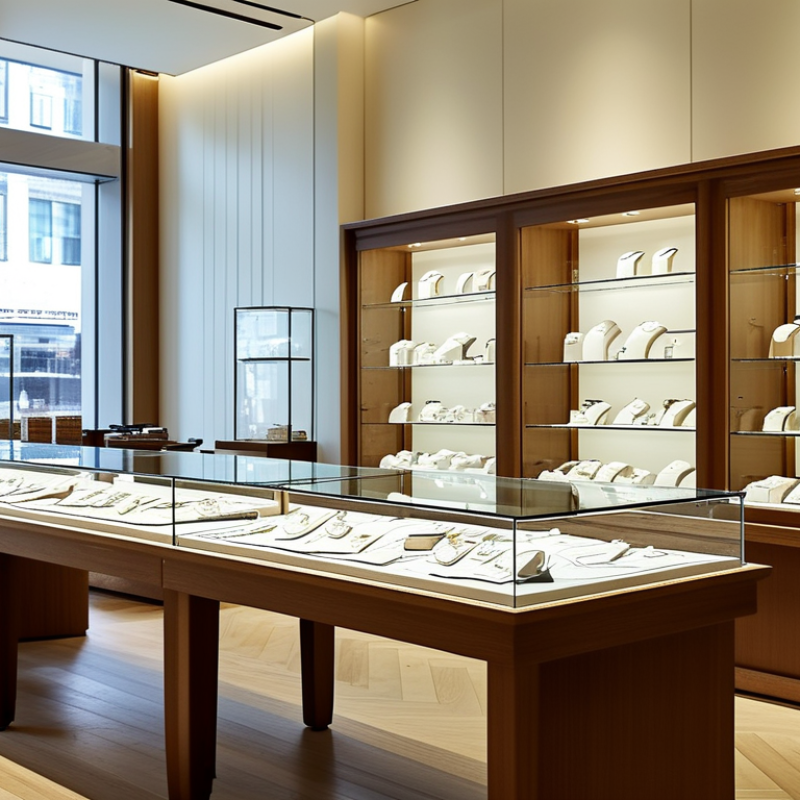
Why Are Jewelry Display Cases Essential for Retailers?

The Role of Jewelry Display Cases in Retail

Jewelry display cases play a practical role in retail. They protect small, high-value pieces while keeping them visible and inviting. Clear glass, warm lighting, and clean spacing help shoppers inspect metal finishes, gemstone color, and craftsmanship. This matters as luxury retail expands. Bain & Company and Altagamma reported that the global luxury market reached about €1.5 trillion in 2023. Even a modest store needs presentation that supports careful buying decisions.

A well-designed case also guides movement. Place best-selling rings near eye level, with enough space between trays. Use lower compartments for spare inventory, not crowded displays. Retail teams can change layouts according to sales data and customer questions. However, display cases are not magic. Too much glare can hide details. Excessive security hardware may make shoppers feel unwelcome. That balance requires real store testing, not assumptions. Deloitte’s 2023 Global Powers of Luxury Goods report also shows the importance of experience as luxury retail competes across physical and digital channels.

Tips: Keep fingerprints off the glass. Use neutral lighting. Label materials clearly. Track which positions receive attention. Ask staff what customers still struggle to see. A small flaw in the display may reveal a larger merchandising problem.

How Display Cases Protect Jewelry from Damage and Theft

Jewelry display cases do more than make products look attractive. They create a controlled space that limits contact, dust, moisture, and accidental drops. A ring placed on a soft, stable pad is less likely to collect scratches from rough surfaces. Clear panels also reduce unnecessary handling while keeping details visible.

Protection needs practical design. Strong, well-fitted locks can slow unauthorized access, while anchored cases are harder to move. Good visibility helps staff notice unusual behavior from several angles. Interior lighting should stay cool, because excessive heat may affect some materials, finishes, or adhesives. Display cases should also have clean edges and secure hinges. Small weaknesses matter.

Security is never solved by glass alone. Staff should follow consistent opening procedures and record valuable items during each shift. A case placed near a monitored area may provide better protection than one hidden in a quiet corner. Retailers should inspect locks, hinges, panels, and display pads regularly. This is easy to overlook. Even a well-designed case can fail when maintenance is delayed or access habits become careless. Reviewing the setup after busy sales periods can reveal risks that routine checks miss.

How Jewelry Cases Influence Customer Attention and Buying Decisions

Why Are Jewelry Display Cases Essential for Retailers?

How Jewelry Cases Influence Customer Attention and Buying Decisions

Jewelry display cases shape the first impression inside a retail space. They control what shoppers notice, how long they look, and what feels worth considering. Clear glass, balanced lighting, and uncluttered layouts help each piece appear intentional rather than lost among similar products.

From observing store displays, I have found that shoppers often pause longer when one necklace or ring has visible space around it.

Eye level matters. A pendant placed too low may receive little attention, even when its design is attractive. Adjustable shelves allow retailers to position popular items near natural sightlines. Soft, accurate lighting also reveals metal color and stone details without creating harsh reflections.

Small labels can answer practical questions quickly, including material, size, and care information. That reduces hesitation without forcing a salesperson to interrupt.

The case also affects perceived value. A scratched surface or crowded tray can make carefully crafted jewelry seem ordinary. I once assumed brighter lighting would increase interest, but excessive glare made customers step closer and then move away. That result needed correction.

Retailers should test display height, spacing, and lighting with real shoppers instead of relying only on personal preference. Secure locks and sturdy construction support trust, while clean glass keeps attention on the product. The best arrangement may not be the most dramatic one. It should make comparison easy and the buying decision feel comfortable.

Key Features of Effective Retail Jewelry Display Cases

Why Are Jewelry Display Cases Essential for Retailers?

Effective retail jewelry display cases do more than protect valuable merchandise. They shape how customers notice, compare, and trust each piece. Clear, low-reflection glass helps shoppers inspect fine details without distracting glare. Visibility matters. Adjustable LED lighting should reveal metal color and stone brilliance accurately, not create harsh white spots. A high color-rendering light source supports honest presentation. It also reduces disappointment when jewelry is viewed outside the store.

Security must work quietly in the background. Strong locks, reinforced frames, and stable construction help protect inventory during busy hours. However, security should not make browsing feel uncomfortable. Sliding or lift-up panels need smooth movement for staff and controlled access for customers. Clean lines also improve the sales process. Staff can remove a necklace without awkward reaching or accidental contact with nearby pieces.

Practical cases include removable trays, flexible shelving, and enough space between items. These features support quick restocking and reduce tangled chains. I have seen attractive displays fail because their compartments were too shallow. Small details count. Easy-clean surfaces matter, especially around fingerprints and dust. A case should also suit different customer needs, including seated shoppers and people with limited reach. Not every bright case sells more. Sometimes the lighting is too strong, or the layout feels crowded. Retailers should review customer behavior, test different heights, and adjust displays over time. A beautiful case may still need improvement.

Choosing the Right Display Case for Different Retail Environments

Choosing a jewelry display case starts with the retail environment, not the product alone. A bright mall kiosk needs compact, lockable cases with clear sightlines. A quiet boutique can use waist-high glass counters, warm lighting, and textured interiors. POPAI shopper-engagement research found that about 82% of purchase decisions occur in stores, although the study is not jewelry-specific. That limitation matters.

In a high-traffic store, use tempered glass, rounded corners, and shallow shelves. Customers should view small details without leaning across the counter. In my retail display experience, poor lighting often makes polished metal look flat. Neutral LED lighting with accurate color rendering helps stones and finishes appear more natural. Keep glare under control. It is easy to over-light a case.

For premium environments, a taller case can create separation and encourage guided consultation. For temporary counters, modular cases reduce installation time and allow seasonal changes. The National Retail Federation’s 2024 retail technology research highlights growing expectations for convenient, connected shopping experiences. A display case should support that expectation through visible pricing, scannable product information, and accessible staff space. However, too many digital features may distract from craftsmanship. The better choice is not always the most advanced one. Regularly check fingerprints, hinge alignment, lock performance, and viewing height. Small maintenance failures can weaken trust quickly.

Why Are Jewelry Display Cases Essential for Retailers? - Choosing the Right Display Case for Different Retail Environments

Retail Environment Recommended Case Type Typical Dimensions Security Priorities Lighting Guidance Best Product Fit Primary Retail Benefit
High-Street Jewelry Store Freestanding glass tower or lockable wall case 900–1,200 mm high; 300–500 mm deep Lockable doors, laminated safety glass, anchored base Neutral white LED lighting, approximately 3,000–4,000 K Rings, earrings, bracelets, and premium small accessories Creates clear product focus while using vertical floor space efficiently
Shopping Mall Kiosk Compact countertop case with accessible service side 600–1,000 mm wide; 300–450 mm deep Full visibility from several directions, concealed locks, impact-resistant glazing Low-heat LED strips with concealed wiring Fashion jewelry, seasonal collections, and impulse purchases Maximizes visibility in a small footprint and supports quick customer interaction
Department Store Counter Glass countertop showcase with modular trays 1,200–1,800 mm wide; 300–450 mm deep Centralized locking, strong hinges, removable access panels Even, shadow-reducing illumination across the full display surface Mixed-price collections and coordinated product groups Allows efficient merchandising and fast product reconfiguration
Luxury Boutique Custom pedestal case or low-profile frameless showcase 700–1,000 mm high; 400–600 mm deep High-security locks, laminated glass, discreet alarm integration High-color-rendering LED lighting, preferably CRI 90 or higher Fine jewelry, gemstones, watches, and limited-edition pieces Supports premium presentation, controlled viewing, and strong perceived value
Departmental or Museum-Style Exhibition Sealed freestanding case with adjustable interior mounts 1,000–2,000 mm high; 500–800 mm deep Shatter-resistant glazing, tamper monitoring, stable locking system Low-UV, low-heat LED lighting with adjustable intensity Rare pieces, heritage jewelry, and curated collections Protects valuable items while supporting detailed, long-distance viewing
Pop-Up Store or Trade Event Portable folding case or lightweight countertop display 600–1,200 mm wide; 250–400 mm deep Portable locks, reinforced corners, secure transport packaging Battery-powered or low-voltage LED lighting for flexible installation New collections, promotional items, and sample ranges Reduces setup time and enables consistent presentation across temporary locations
Small Independent Retailer Modular counter-and-wall display system 600–1,500 mm wide; 300–500 mm deep Lockable compartments, clear staff sightlines, durable hardware Energy-efficient LED lighting with replaceable modules Core assortment across multiple price levels Balances security, flexibility, capacity, and operating cost

Planning ranges are indicative and should be adjusted according to store layout, product value, local safety requirements, customer sightlines, accessibility needs, and the weight of the merchandise.

S O C I A L 

  • Facebook
  • Instagram
  • Pinterest

©2022 by LaFata Cabinets. Proudly created with Wix.com

bottom of page