
What Are Dispenser Pump Solutions?
Dispensers Pump Solutions are engineered systems that release liquids, creams, foams, or gels in controlled amounts. They appear in bathrooms, kitchens, clinics, hotels, and production lines.
A typical solution combines a pump head, actuator, dip tube, closure, and container interface. Together, these parts influence dosage accuracy, user comfort, hygiene, and product protection. A gentle press can deliver hand soap without dripping across a ceramic basin. A stronger actuator may suit thicker lotion or industrial cleaner.
According to David Luttenberger, Global Packaging Director at Mintel, packaging is a “silent salesperson.” That observation also applies to pumps. Their shape, resistance, sound, and return speed communicate quality before users read the label. Reliable Dispensers Pump Solutions should match the formula, container, filling process, and expected usage frequency.
Material selection matters. Polypropylene, polyethylene, stainless steel, and elastomers can perform differently under chemical exposure. Viscosity, temperature, pressure, and storage time also affect dispensing behavior. Testing should examine leakage, priming, dose consistency, and repeated actuation.
Small details matter.
However, no pump is perfect for every product. A design that works well with liquid soap may struggle with a thick cream. This is where practical testing becomes essential, even when laboratory data looks convincing. Engineers must review compatibility, accessibility, recyclability, and manufacturing reliability together.
This introduction explores how Dispensers Pump Solutions work, where they are used, and how informed selection improves daily performance.
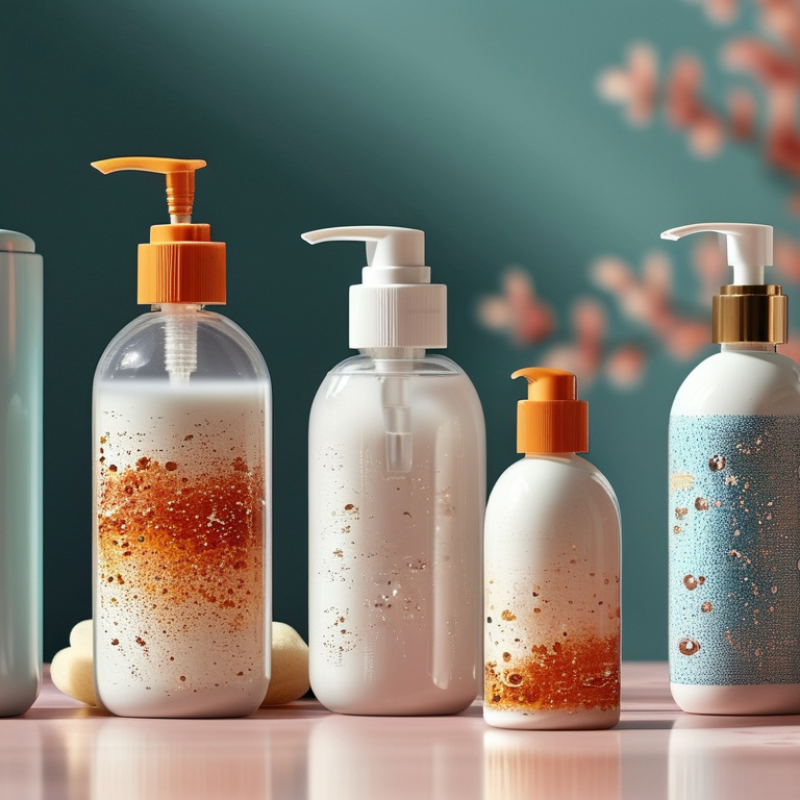
Dispenser Pump Solutions Defined: Typical 0.2–2.0 mL Dosing Range
What Are Dispenser Pump Solutions?
Dispenser Pump Solutions Defined: Typical 0.2–2.0 mL Dosing Range
Dispenser pump solutions are mechanical systems designed to release a measured volume from a container. Many everyday pumps deliver between 0.2 and 2.0 mL per actuation. This range suits personal care products, household liquids, lotions, serums, and other controlled-use formulas. A user presses the actuator, compressing an internal spring and moving the metering chamber. The dip tube then draws product upward for the next dose.
Dose consistency depends on more than the pump head. Product viscosity, temperature, container pressure, and formulation texture can change performance. A thin liquid may dispense quickly, while a thick cream may require slower pressure. The closure must also match the container neck accurately. Small mismatches can cause leaks, wobbling, or air entry.
Testing matters.
In practical evaluations, repeated strokes should be measured at the beginning, middle, and end of the container. A pump may perform well during the first ten uses, then behave differently as the internal pressure changes. Measuring weight or volume reveals variations that a simple hand test can miss. Engineers often review output tolerance, priming time, dripping, and recovery after storage.
The stated 0.2–2.0 mL range is useful, but it is not a guarantee. Actual results depend on the complete pump-and-formula system. A cleaner specification can still hide real-world variation. Careful sampling, compatibility checks, and user testing provide more reliable decisions.
What Are Dispenser Pump Solutions?
Dispenser pump solutions deliver controlled liquid volumes with each actuation. The representative dosing targets below remain within the typical 0.2–2.0 mL range and vary by product viscosity, package design, and user requirements.
How Spring, Airless, and Trigger Pumps Control Product Dispensing
Dispenser pump solutions convert a controlled finger movement into a measured product dose. Spring pumps remain common in lotions, soaps, and personal-care liquids. Their return spring supports repeated dispensing, while the dip tube lifts product from the container. A typical pump delivers about 1–2 milliliters per stroke, depending on its chamber size. However, spring placement matters. An internal metal spring can contact the formula, creating compatibility concerns with acidic or solvent-rich products. That detail is easy to overlook.
Airless pumps use a piston or flexible bag to move product upward without a traditional dip tube. This design limits air entry after each dose. It can reduce oxidation, drying, and contamination during repeated use. Industry testing reports often connect airless packaging with improved product evacuation, frequently above 95% for suitable formulas. Grand View Research has also identified rising demand for dispensing systems as a key trend in premium and functional packaging. The data supports growth, but it does not make every airless system appropriate. Highly viscous products may still require careful piston and nozzle testing.
Trigger pumps suit larger containers and products needing broader coverage, such as surface cleaners or hair treatments. Their longer actuator provides leverage for thicker liquids. Some models deliver approximately 0.8–1.5 milliliters per stroke. A 2024 Smithers packaging outlook reported continued demand for convenient, ergonomic dispensing formats across consumer markets. Yet user experience can expose weaknesses quickly. A stiff trigger causes fatigue. Poor closure torque causes leakage. One practical lesson remains: select the pump after testing viscosity, dose accuracy, leakage, and container fit together.
Selecting Pumps by Viscosity, 28/410 Closures, and Output Accuracy
What Are Dispenser Pump Solutions?
Dispenser pump solutions match a pump with a product, container, and user experience. The right choice begins with viscosity. A thin serum may dispense quickly and evenly. A thick cream often needs a wider pathway and stronger spring force. That difference is easy to underestimate. In pilot filling trials, test the actual formula, not water. Measure at several temperatures, because cold product can flow very differently. Room temperature alone can mislead. Record the first stroke, repeated strokes, and leftover product inside the bottle.
Closure compatibility also affects performance. A 28/410 closure must match the container neck precisely. Check the thread profile, sealing surface, dip tube length, and available headspace. A loose fit may cause leakage or air entry. Excessive torque can distort the closure and change pump movement. Output accuracy requires more than one successful dispense. Weigh ten or more actuations, then compare the average and variation. Small differences matter when users expect one consistent dose. A pump that works in the lab may behave differently on a filling line.
Tips: Test thin and thick samples before approval. Keep the pump, formula, and container at controlled temperatures. Inspect the first and last units from a production run. If output varies, check priming, dip tube placement, closure torque, and product settling. Do not trust a single measurement. Repeat the test. Sometimes the simplest failure is overlooked.
What Are Dispenser Pump Solutions? - Selecting Pumps by Viscosity, 28/410 Closures, and Output Accuracy
| Product Viscosity Range | Recommended Pump Solution | Typical Output per Stroke | Typical Output Accuracy | 28/410 Closure Compatibility | Suitable Formulations | Key Selection Considerations |
|---|---|---|---|---|---|---|
| 1–100 cP Low viscosity | Standard lotion or liquid dispenser pump | 0.5–1.0 mL | Typically ±10% after priming | Commonly available with 28/410 neck finish; verify dip-tube and gasket dimensions | Liquid soap, hand sanitizer, shampoo, light cleansers | Use a valve design that limits dripping and maintains reliable pump return. |
| 100–1,000 cP Light to medium viscosity | Lotion pump with standard or moderate-output spring mechanism | 0.8–1.5 mL | Typically ±8–12% after priming | 28/410 is widely used; closure fit depends on neck finish, thread engagement, and sealing liner | Body lotion, hair conditioner, liquid creams, moisturizing gels | Select a dip tube with sufficient internal diameter to reduce flow restriction. |
| 1,000–5,000 cP Medium viscosity | High-viscosity lotion pump or piston-style dispenser | 1.0–2.0 mL | Typically ±10–15% without product-specific calibration | Available in 28/410 configurations, subject to actuator height and pump-body clearance | Thick lotions, cleansing creams, liquid makeup, concentrated conditioners | A piston chamber can improve repeatability when the product is difficult to draw through a dip tube. |
| 5,000–20,000 cP High viscosity | Large-orifice piston pump or high-viscosity dispensing pump | 0.5–2.0 mL | Typically ±15–20%; requires product-specific testing | 28/410 can be used when the closure, pump stem, and sealing components are matched | Thick creams, hair masks, body butters, dense gels | Use a wide flow path, positive shut-off valve, and sufficient actuator force to prevent incomplete strokes. |
| 20,000–50,000 cP Very high viscosity | Heavy-duty piston, airless, or specialized high-viscosity dispenser | 0.2–1.5 mL | Typically ±15–25%; calibration and temperature control are important | Possible with selected 28/410 assemblies; compatibility must be confirmed through fit, torque, leakage, and dispensing tests | Barrier creams, dense treatment products, petroleum-based gels, heavy cosmetic formulas | Temperature strongly affects viscosity; test at the intended filling, storage, and use temperatures. |
| 50,000–100,000+ cP Extremely high viscosity | Specialized piston, cartridge, or mechanically assisted dispenser | 0.1–1.0 mL | Application-specific; commonly ±20% or more without dedicated calibration | 28/410 fit is application-dependent and may require a reinforced closure or alternate dispensing package | Very dense pastes, sealants, heavy ointments, highly filled formulations | Evaluate user force, priming time, air entrapment, backflow, and compatibility with the package material. |
Safety and Quality Standards: ISO 9001 and ISO 22716 Requirements
What Are Dispenser Pump Solutions?
Safety and Quality Standards: ISO 9001 and ISO 22716 Requirements
Dispenser pump solutions control how liquids, creams, and gels leave a container. They support cleaner handling, consistent dosing, and reduced product exposure. A pump may look simple. Its quality depends on many controlled details.
ISO 9001 focuses on the quality management system behind development and production. The ISO Survey 2022 recorded 1,265,216 valid ISO 9001 certificates worldwide. This figure shows the standard’s broad industrial acceptance. For pump manufacturers, practical controls include approved materials, batch traceability, supplier evaluation, and documented corrective actions. Leakage, dosage variation, blocked outlets, and spring corrosion require recorded testing. Small failures matter.
ISO 22716:2007 provides Good Manufacturing Practices guidance for cosmetic products. It covers production, quality control, storage, and shipment. Pump components should suit the formula and its intended packaging environment. Compatibility testing can examine swelling, cracking, discoloration, odor transfer, and performance after storage. Microbial risk also deserves attention, especially around the actuator and dip tube. A clean-looking pump can still fail.
The difficult part is consistency. Sampling plans may miss rare defects. Human inspection can overlook a weak seal. That is why validated procedures, calibrated equipment, hygiene controls, and employee training remain essential. Documents alone are not enough. A mature system questions its own assumptions and improves after every deviation.
Sustainability Metrics: PCR Plastics, Recyclability, and Material Reduction
What Are Dispenser Pump Solutions?
Dispenser pump solutions are becoming measurable sustainability tools, not only packaging components. The OECD reported 353 million tonnes of plastic waste in 2019. Only 9% was recycled. This gap makes PCR plastics important, but PCR content alone proves little. A pump may contain recycled resin while remaining difficult to recycle. Mixed polymers, metal springs, seals, and colored components can complicate sorting and processing. Testing should cover dosage accuracy, leakage, torque, drop resistance, and repeated use. Real production experience matters. A pump that fails after three presses creates avoidable waste.
Material reduction needs equal attention. A lighter actuator or thinner bottle can reduce resin use, transport weight, and emissions. However, excessive lightweighting may cause cracks, weak threads, or inconsistent dispensing. UNEP’s 2023 report estimated that system-wide changes could reduce global plastic pollution by 80% by 2040. That target is ambitious. It also reminds engineers to measure the complete system, not one part. Recyclability claims should follow recognized evaluation methods, such as ISO 14021, and include evidence from actual recycling conditions.
Tips: Request PCR percentage by component, not only by package weight. Check whether the spring and seal can be separated. Compare grams saved against failure rates. Ask for supplier traceability documents. Do not assume “recyclable” means widely recycled. Regional collection systems differ, sometimes sharply. Capture these limitations in sustainability reporting.
Article Source:


Fall into Function: How LaFata Cabinets Prepares Your Kitchen for the Cozy Season


Back-to-School Kitchen Refresh: How LaFata Cabinets Can Help You Stay Organized This Fall


