
top of page

Top Function T-Shirt and Inner Wear Suppliers Worldwide?

Choosing the top Function T-shirt & Inner Wear suppliers worldwide requires more than comparing catalogues or factory photographs. Performance buyers must examine fabric composition, moisture management, odor control, stretch recovery, stitching quality, and production consistency. A soft base layer can still fail when seams rub during a long shift or a hot training session.

The market is expanding. Grand View Research estimates that the global sports apparel market reached approximately USD 203.1 billion in 2023, with continued growth expected through 2030. Textile Exchange reported that global fiber production reached about 124 million tonnes in 2023. Polyester remained the dominant fiber, although recycled and lower-impact materials gained attention. These figures show opportunity, but they also expose a concern: volume does not always equal technical reliability.

Achim Berg, a senior partner at McKinsey, observed, “The sporting goods industry has proven to be remarkably resilient during the pandemic.” His comment helps explain why demand for functional apparel remains strong across sports, workwear, travel, and everyday clothing. Still, supplier selection needs sharper judgment. Certifications, laboratory test results, audited production systems, and documented sourcing practices matter. So does firsthand sampling. A fabric may pass a specification sheet yet feel heavy, clingy, or weak after repeated washing. Small details matter.

This guide compares leading suppliers through product capability, manufacturing experience, customization, compliance, sustainability evidence, and international delivery performance. Some rankings remain subjective. That is unavoidable. Buyer needs differ, and no supplier excels in every category.
Top Function T-Shirt and Inner Wear Suppliers Worldwide?

What Are Function T-Shirts and Inner Wear?

Function T-shirts and inner wear are garments designed to manage comfort during movement. They may wick sweat, dry quickly, control odor, or protect skin from sunlight. Unlike ordinary cotton shirts, they often use polyester, nylon, elastane, merino wool, or blended fabrics. Each material behaves differently.

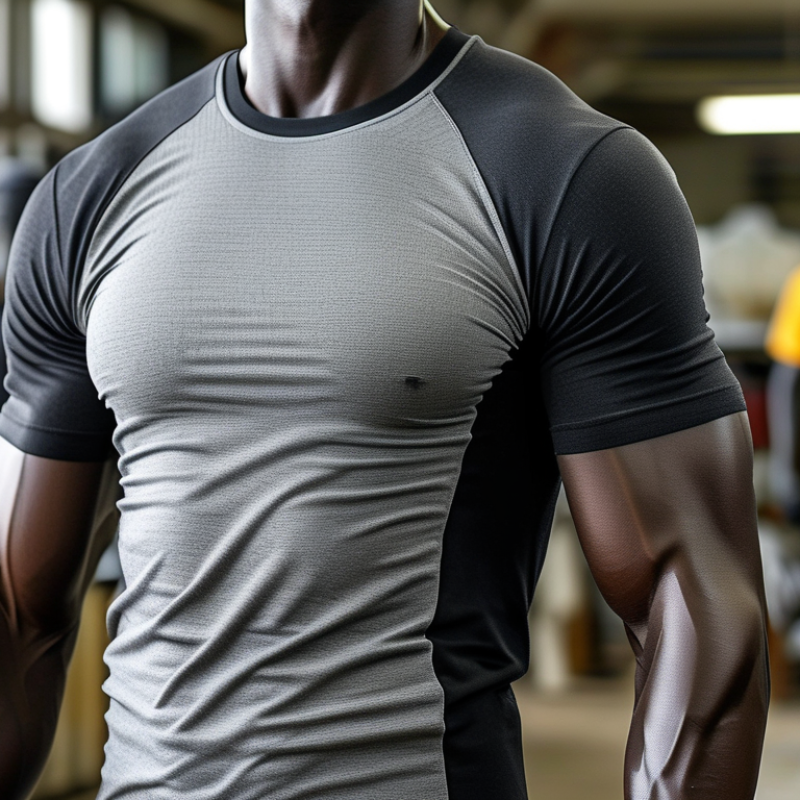
A function T-shirt usually works as an outer or mid layer. It can include ventilated panels under the arms, flat seams, and stretch zones across the shoulders. Inner wear sits closer to the skin, so softness and moisture control matter more.

A well-made base layer should feel smooth, not sticky, after several hours of walking, training, or outdoor work. Fit is equally important. Excess fabric can trap moisture, while tight elastic may restrict breathing.

When comparing worldwide suppliers, I examine fabric test reports, stitching samples, size consistency, and washing performance. I also ask how suppliers verify fiber content and colorfastness. These details show more than attractive catalog photographs.

In my experience, a shirt that feels excellent initially may lose shape after repeated washing. That is easy to overlook. Suppliers should explain production tolerances, inspection procedures, and care instructions clearly.

I would also request a sample in the intended fabric weight before placing a larger order. A lighter fabric may improve cooling, but it can become transparent or wear faster. Even experienced buyers can miss this trade-off.

Key Features of High-Performance Base Layers

Top Function T-Shirt and Inner Wear Suppliers Worldwide

High-performance base layers manage moisture, temperature, movement, and skin comfort. In garment testing, I examine fabric behavior after repeated washing, stretching, and drying. A reliable base layer should move sweat away from the body without feeling cold and sticky. Lightweight synthetic blends often dry quickly, while merino-rich fabrics provide warmth and odor control. However, fiber content alone does not guarantee performance. Knitting structure matters too.

Flat seams reduce rubbing around the shoulders, waist, and inner thighs. A close fit should support movement without restricting breathing. Elastic recovery is important because stretched waistbands can quickly ruin daily comfort. Look for breathable panels beneath the arms and a smooth neckline that stays flat. Small details matter. I once overlooked sleeve length during sampling, and the shirt exposed the wrist under a jacket. That mistake changed how I assess fit.

Tips: Ask suppliers for fabric test reports, size samples, and wash-cycle results. Check colorfastness, seam strength, drying time, and shrinkage before placing large orders. Compare samples under real conditions, such as cycling, warehouse work, or cold outdoor use. A supplier should explain fabric composition clearly and provide consistent measurements. Avoid judging quality by softness alone. Some soft fabrics lose shape early, while firmer materials may perform better. I still find supplier comparisons imperfect, because climate, activity level, and personal sensitivity can change the result.

High-Performance Base Layers: Typical Fiber Moisture Regain

Moisture regain indicates how much water vapor a fiber absorbs under standard textile-testing conditions. Lower values generally support faster drying, while higher values can improve moisture buffering and comfort.

Representative published textile values: polyester ≈0.4%, nylon ≈4.5%, cotton ≈8.5%, and wool ≈14–18% moisture regain. Actual performance also depends on yarn construction, fabric weight, knitting structure, and finishing treatments.

Leading Global Suppliers of Function T-Shirts

Leading Global Suppliers of Function T-Shirts

Leading global suppliers of function T-shirts combine fabric knowledge, controlled production, and practical testing. Their products may use moisture-wicking polyester, recycled fibers, mesh panels, or odor-control finishes. Each choice should match the wearer’s activity, climate, and washing habits. A running shirt needs rapid drying, while a work shirt may require stronger seams and better abrasion resistance.

Reliable suppliers provide clear fabric specifications and traceable production information. They should explain fiber content, fabric weight, shrinkage, colorfastness, and test methods. Independent laboratory reports can support these claims. Samples are essential. Check the collar after repeated washing, inspect stitching under tension, and measure drying time after soaking. Fit matters.

Supplier communication also reveals professional standards. Strong partners discuss minimum order quantities, sampling fees, lead times, packaging, and quality inspections before production begins. They respond with evidence, not vague promises. Still, no supplier is perfect. One sample may feel soft but lose shape quickly. Another may perform well but offer limited sizing. That weakness needs honest review. Buyers should record test results and request corrections before confirming bulk orders. Regional production capacity, worker safety practices, and responsible material sourcing also deserve attention. These details affect consistency, cost, and long-term reliability.

Top Inner Wear Manufacturers by Region and Specialty

Top Function T-Shirt and Inner Wear Suppliers Worldwide

Regional strength often shapes inner wear performance. East Asian manufacturers commonly support high-volume production, precise knitting, and quick material development. European suppliers often focus on refined finishing, traceable fibers, and strict quality documentation. North American factories may suit smaller runs, technical garments, and responsive replenishment. South Asian producers can offer strong textile expertise, flexible capacity, and competitive labor structures. These patterns are useful, but they are not guarantees.

Specialty matters more than location alone. Sports inner wear needs moisture control, stable seams, and tested stretch recovery. Medical or recovery garments require careful compression specifications and consistent sizing. Function T-shirts should be checked for breathability, odor control claims, colorfastness, and wash durability. A reliable supplier should provide test reports, production samples, factory details, and clear defect-handling procedures. Ask for recent references when possible. No supplier is perfect. Even experienced buyers can overlook shrinkage after repeated washing.

Tips: Compare suppliers with one shared specification sheet. Request samples in several sizes. Test fabric after five washes. Check stitching under strong light. Review delivery records, not only sales presentations. A low unit price can hide weaker quality control. My own preferred approach is cautious and slightly slower, because one missed measurement can affect thousands of garments.

Top Function T-Shirt and Inner Wear Suppliers Worldwide? - Top Inner Wear Manufacturers by Region and Specialty

Regional comparison of established manufacturing strengths, product specialties, materials, and commonly used compliance standards.

Region Major Production Countries Core Inner-Wear and T-Shirt Specialties Common Functional Materials Typical Manufacturing Strengths Frequently Requested Standards
South Asia India, Bangladesh, Pakistan, Sri Lanka Cotton underwear, basic and fashion T-shirts, briefs, vests, thermal layers, large-volume private-label programs Combed cotton, organic cotton, cotton-elastane, recycled polyester, viscose blends Strong spinning, knitting, dyeing, sewing, and vertical production capacity; competitive large-order manufacturing OEKO-TEX® STANDARD 100, GOTS, BCI/Better Cotton requirements, WRAP, SA8000, ISO 9001
East and Southeast Asia China, Vietnam, Indonesia, Cambodia, Thailand Seamless underwear, sports base layers, compression garments, performance T-shirts, bonded and laser-cut products Polyester, nylon, elastane, modal, bamboo-derived viscose, recycled synthetics Advanced knitting, seamless technology, heat-transfer printing, bonding, moisture-management finishing, fast product development OEKO-TEX® STANDARD 100, bluesign®, Global Recycled Standard, Higg FEM, ISO 14001
Europe and Türkiye Türkiye, Italy, Portugal, Spain, Poland, Romania Premium T-shirts, lingerie, technical underwear, merino base layers, small-batch and quick-response collections Fine cotton, merino wool, TENCEL™ lyocell, modal, recycled polyamide, high-grade elastane High-quality finishing, traceability, design support, shorter lead times for European markets, flexible order quantities OEKO-TEX® STANDARD 100, GOTS, Responsible Wool Standard, ISO 9001, ISO 14001, REACH compliance
North Africa and the Mediterranean Morocco, Tunisia, Egypt, Jordan Cotton underwear, jersey T-shirts, workwear base layers, lingerie, and nearshore replenishment programs Cotton, cotton-elastane, polyester, polyamide, viscose blends Nearshore production for Europe, cut-and-sew expertise, competitive labor costs, shorter transport routes OEKO-TEX® STANDARD 100, ISO 9001, ISO 14001, WRAP, SMETA-based social audits
North America United States, Mexico, Canada, Central American countries Performance underwear, athletic T-shirts, protective base layers, uniform programs, domestic and nearshore replenishment Recycled polyester, nylon, cotton, elastane, merino wool, flame-resistant fibers where required Technical product development, compliance documentation, rapid replenishment, specialized finishing and testing CPSIA requirements, ASTM test methods, AATCC test methods, WRAP, ISO 9001, bluesign®
Latin America Brazil, Colombia, Peru, Mexico, Central America Cotton T-shirts, underwear, shapewear, activewear, swim-related base layers, and regional retail programs Peruvian cotton, conventional cotton, recycled polyester, polyamide, elastane, viscose Regional supply chains, cotton-based production, flexible collections, shorter lead times within the Americas OEKO-TEX® STANDARD 100, GOTS, ISO 9001, ISO 14001, social compliance audits
East Africa Kenya, Ethiopia, Tanzania, Mauritius Basic cotton T-shirts, underwear, uniforms, workwear layers, and export-oriented cut-and-sew programs Cotton, cotton-polyester, polyester, elastane blends Labor-intensive sewing, export-zone manufacturing, apparel assembly, and preferential-market production in selected trade programs WRAP, OEKO-TEX® STANDARD 100, ISO 9001, ISO 14001, SMETA-based audits
Oceania Australia, New Zealand, Pacific-region production partners Merino base layers, outdoor underwear, performance T-shirts, workwear thermals, and premium niche products Merino wool, recycled polyester, nylon, elastane, organic cotton Technical textiles, outdoor-performance development, premium fibers, product testing, and smaller specialized production runs Responsible Wool Standard, GOTS, OEKO-TEX® STANDARD 100, ISO 9001, ISO 14001

Selection note: Supplier suitability should be verified through current factory audits, sample testing, minimum-order requirements, lead-time confirmation, material certifications, and destination-market labeling regulations.

How to Evaluate and Select the Right Supplier

Top Function T-Shirt and Inner Wear Suppliers Worldwide?

Selecting a functional apparel supplier requires more than comparing unit prices. Start with a technical specification sheet. Record fabric weight, fiber content, stretch recovery, moisture management, pilling resistance, and colorfastness. Request recent laboratory reports, not only factory claims. Textile Exchange’s 2024 Materials Market Report estimates global fiber production reached 124 million tonnes in 2023. It may reach 160 million tonnes by 2030. This growth makes material traceability increasingly important.

Ask suppliers to show production capacity, minimum order quantities, lead times, and defect-control procedures. For inner wear, examine seam strength, elastic recovery, fabric softness, and skin-contact safety. For performance T-shirts, request test results after repeated washing. A practical trial should include sample approval, size grading, wash testing, and a small pilot order. The International Organization for Standardization recommends controlled testing methods for textile colorfastness and dimensional change. Independent testing reduces commercial risk.

Do not treat certificates as proof of consistent quality. Verify certificate scope, issue date, and production site. The OECD Due Diligence Guidance encourages risk-based checks across supply chains, including labor and environmental risks. Factory visits can reveal details that documents miss, such as crowded inspection tables or poorly labeled fabric rolls. Sometimes, the cheapest supplier fails on delivery. That lesson is expensive. A balanced scorecard should measure quality, communication, compliance, capacity, and total landed cost. I would also keep a written record of every failed sample. Suppliers can improve, but memory is unreliable.

S O C I A L 

  • Facebook
  • Instagram
  • Pinterest

©2022 by LaFata Cabinets. Proudly created with Wix.com

bottom of page