What is a Thermos Flask and How Does It Work?
A Thermos Flask, commonly used for beverages, has a fascinating design that keeps liquids at desired temperatures. According to Dr. Emily Parker, a leading expert in thermal insulation technology, “The Thermos Flask revolutionized how we think about heat retention in everyday life.” This innovation is not just about convenience; it reflects an intricate balance of science and practicality.
When we pour a hot drink into a Thermos Flask, the double-walled construction plays a crucial role. It minimizes heat transfer through conduction and convection. Yet, many users overlook the impact of how they fill their flasks. For instance, preheating or precooling the flask can maximize its efficiency. Mistakes in this step often lead to disappointing results.
The ability of a Thermos Flask to maintain temperature is a blend of material selection and engineering. Everyday usage can reveal flaws, such as not sealing properly or being difficult to clean. These challenges remind us that even the best designs require thoughtful consideration. By understanding the mechanics behind a Thermos Flask, we can use it more effectively.
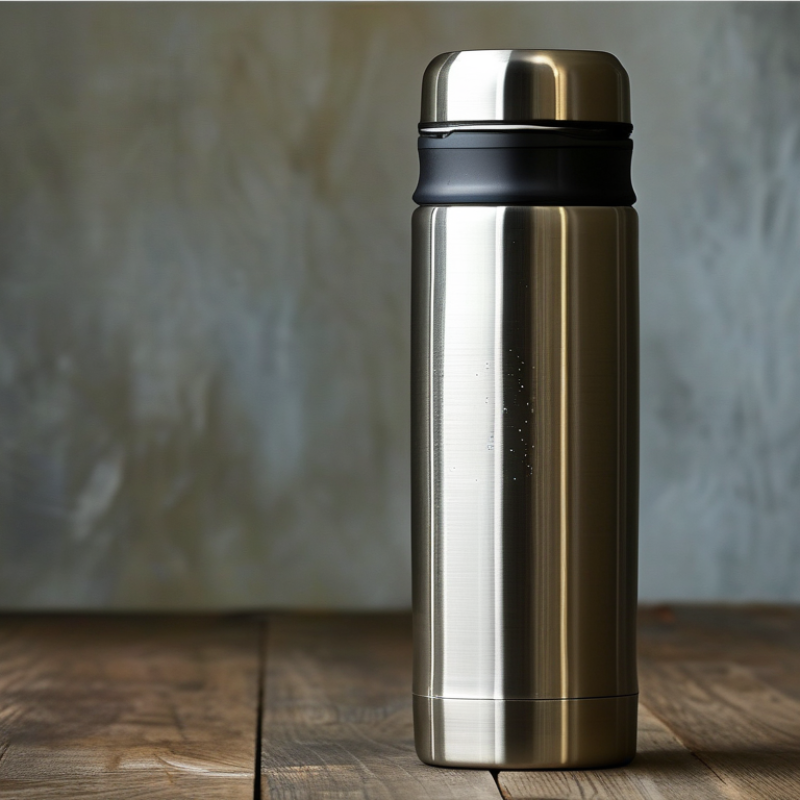
What is a Thermos Flask?
A thermos flask is a practical container designed to keep liquids hot or cold. It usually consists of two walls, creating a vacuum between them. This vacuum prevents heat transfer, allowing it to maintain the temperature of the contents. A typical thermos is made of stainless steel or glass, which also contributes to its durability.
When you pour hot coffee into a thermos, the heat attempts to escape. However, with the vacuum acting as an insulator, the temperature stays stable for hours. The same principle applies to cold drinks; the thermos keeps them cool by minimizing heat absorption from the outside. Many people find it essential for daily commutes, picnics, or travel.
Despite its seemingly perfect design, some thermoses may fail to maintain temperature over time. Users might notice a drop in performance after frequent use or if the vacuum seal becomes compromised. Regular maintenance and careful handling can prolong its life and effectiveness. Therefore, understanding how it works is key to maximizing its utility.
History and Development of Thermos Flasks
The history of thermos flasks traces back to the 1890s. Scottish scientist Sir James Dewar invented the vacuum flask. His goal was to store liquid gases, such as hydrogen. The design involved two glass walls with a vacuum in between, reducing heat transfer. This innovation laid the groundwork for modern thermos flasks.
The first commercial thermos flasks emerged in 1904. They gained popularity quickly, especially for outdoor activities. According to industry reports, the global insulated drink container market was valued at approximately $6.4 billion in 2022. Demand has continued to rise, thanks to increased focus on sustainable products. Many consumers prefer reusable flasks over single-use alternatives.
Despite their benefits, some challenges exist. Many thermos designs are not child-safe. Users also report issues with cleaning, especially in flasks that do not disassemble easily. This may lead to lingering odors or stains. As the industry evolves, manufacturers must address these points to improve user experience. With innovations in materials, the future of thermos flasks looks promising.
How Does a Thermos Flask Maintain Temperature?
A thermos flask is designed to keep beverages at a desired temperature for an extended time. It utilizes a vacuum layer to reduce heat transfer. This simple yet effective principle allows for insulation, preventing hot liquids from cooling down and cold beverages from warming up.
The key lies in the materials. Typically, a thermos flask is made of stainless steel or glass. The glass interior can be more fragile, while metal offers durability. The vacuum seal is critical; it eliminates air between layers, which is a major medium for heat transfer. Heat will travel through the air, so removing it greatly enhances insulation efficiency.
Observing how a thermos maintains temperature can be enlightening. Consider a hot coffee poured into a well-designed flask; it stays hot for hours. However, poor design or damages like dents or scratches can lead to reduced performance. Users often overlook these details, not realizing how they affect insulation. Regular maintenance and careful handling are vital for optimal functionality.
Common Uses and Applications of Thermos Flasks
Thermos flasks are popular for keeping beverages at desired temperatures. They are widely used in various scenarios, from outdoor adventures to everyday commutes. Data from industry reports indicates that the global market for insulated drinkware is expected to grow by approximately 5% annually through 2027. This demand highlights the practical benefits that thermos flasks offer, particularly in maintaining heat or cold for hours.
Common applications of thermos flasks include travel mug use, sports events, and office environments. They are favored by hikers for coffee and tea, as they prevent thermal loss during expeditions. In workplaces, they help maintain the freshness of soups or smoothies throughout the day, promoting better hydration and nutrition. However, users sometimes overlook the need for thorough cleaning, which can lead to bacterial growth inside the flasks.
Tips: Always wash your thermos flask with warm soapy water after each use. This ensures hygiene and longevity. Also, consider using a flask with a wide mouth, which makes it easier to fill and clean. However, while a thermos can retain temperatures for several hours, they vary by design. Some don’t hold hot drinks as effectively as advertised, so it’s worth researching before purchasing.
Common Uses of Thermos Flasks
Care and Maintenance Tips for Thermos Flasks
Taking care of your thermos flask is essential for its longevity and effectiveness. Proper maintenance helps prevent odors and stains. Start by cleaning it after each use. Use warm soapy water and a bottle brush to reach every corner. Rinsing thoroughly is crucial to avoid soap residue, which can alter taste. For tough stains, a mixture of baking soda and water can work wonders. Let it sit for a while before rinsing.
Storing your thermos correctly also impacts its lifespan. Avoid leaving it empty for long periods, as this can lead to unwanted odors. On hot days, don’t place it in direct sunlight. This can affect the insulation materials inside. Always check the seal and cap for any signs of wear. A loose cap can lead to spills and reduce insulation effectiveness. Reflect on your usage habits. Are you giving your thermos the care it deserves? Regular check-ups will keep it in top shape.