How to Source Private Label Bedding for Global Markets?
The Private Label Bedding industry has witnessed remarkable growth in recent years. According to a report by Market Research Future, the global bedding market is expected to reach $80 billion by 2025, with private label products capturing a significant share. This trend reflects changing consumer preferences and a growing demand for quality and affordability.
Renowned expert in the bedding industry, Dr. Emily Harper, emphasizes the importance of sourcing high-quality materials. She states, "The success of private label bedding relies heavily on understanding market dynamics and consumer needs." As brands look to differentiate themselves, sourcing becomes a critical factor.
Navigating the complexities of global markets can be challenging. As companies venture into private label bedding, they face obstacles such as quality assurance and supplier reliability. Moreover, finding the right balance between cost and quality is essential for long-term success. Potential pitfalls exist, and reflection on sourcing strategies is necessary.
Understanding the Concept of Private Label Bedding
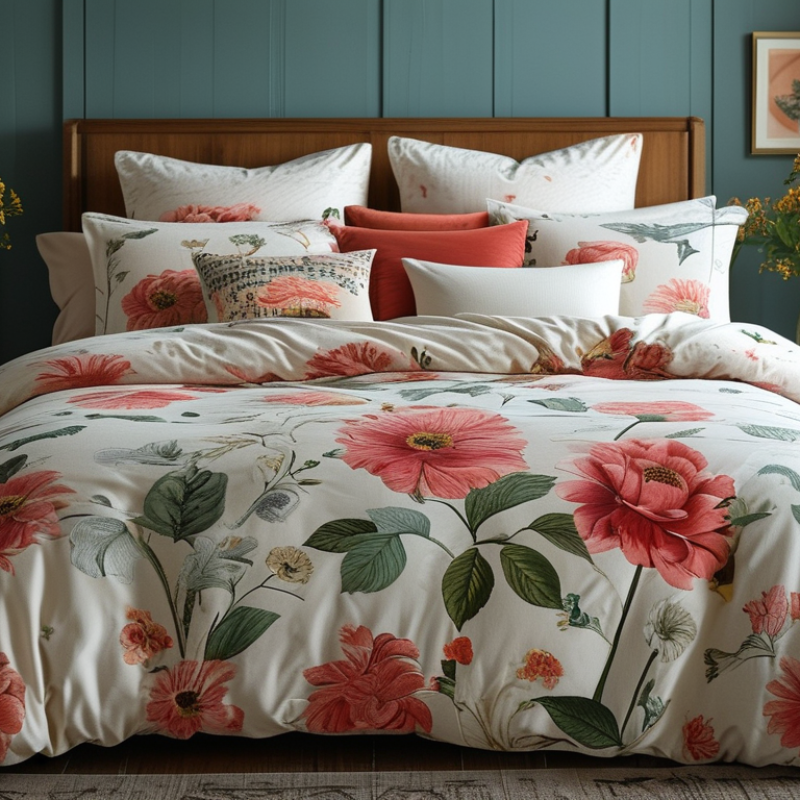
Understanding private label bedding involves recognizing its unique benefits. Private label bedding allows businesses to create customized products under their own brand. This approach helps to differentiate offerings in a crowded market. Customers often prefer unique bedding options that express their style. By sourcing private label bedding, companies can cater to niche markets globally.
When sourcing private label bedding, consider the materials used. Look for high-quality fabrics that are durable and feel good to the touch. It’s essential to ensure the bedding meets safety and comfort standards for international markets. Not every supplier will offer the same options or quality. Testing samples can help identify the right fit.
Tip: Research various suppliers across different regions. This may reveal new materials and innovative designs. Building a relationship with manufacturers can also lead to better terms and exclusivity.
While exploring global markets, stay informed about local preferences. Bedding styles differ significantly across cultures. What sells well in one region may flop in another. Being flexible and open to feedback can guide product improvements and adjustments. This reflection is crucial for long-term success.
Identifying Potential Markets for Private Label Bedding
When considering private label bedding, identifying potential markets is crucial. Recent reports estimate the global bedding market will exceed $120 billion by 2026. This growth presents significant opportunities for private label products. Understanding consumer preferences in different regions can help businesses tailor their offerings effectively.
In North America, the trend leans towards organic and eco-friendly materials. Research shows that about 30% of consumers prefer sustainable products. Brands can take advantage of this by sourcing bedding made from organic cotton or bamboo. However, the challenge lies in sourcing consistent quality materials. In Asia, especially in countries like India and China, the demand for affordable bedding is rising. Market trends indicate a growing middle class seeking quality at competitive prices.
Exploring European markets reveals a different landscape. Consumers here tend to prioritize luxury and design. According to a report, premium bedding products in Europe are experiencing a surge. However, brands must consider cultural differences that affect style preferences. Engaging with local designers can ensure products resonate with target audiences. Balancing these needs with sourcing challenges remains essential for success.
Finding Reliable Sources and Manufacturers for Bedding Products
When sourcing private label bedding for global markets, finding reliable sources and manufacturers is crucial. Start by identifying potential manufacturers through trade shows or online directories. Look for companies with a solid reputation in the bedding industry. Focus on manufacturers that specialize in materials such as cotton, polyester, or organic textiles. Examine their capabilities and production standards carefully.
Building relationships with suppliers takes time. Trust is vital in this industry. Reach out for samples to assess quality. Observe their responsiveness and willingness to communicate. It’s essential to ask about certifications, as they can signify product safety and eco-friendliness. Some manufacturers may have strict minimum order quantities, which may not align with your initial goals.
Consider the geographical aspect as well. International shipping can add complexity to your logistics. Understand the costs involved, including tariffs and shipping delays. It’s wise to have backup suppliers in different regions. This flexibility can help mitigate risks in supply chain disruptions. Always be prepared for the unexpected; some suppliers may not meet your expectations. Sourcing bedding products requires continuous evaluation and adaptation. Each experience can teach valuable lessons that refine your sourcing process.
Negotiating Terms and Pricing with Suppliers
Negotiating terms and pricing with suppliers in the private label bedding sector can be challenging. According to industry research, the global bedding market was valued at over $70 billion in 2022 and is poised to grow. This growth attracts many suppliers, each presenting varying pricing strategies. Understanding these nuances is crucial.
When discussing terms, prioritize transparency. Clear communication about your needs can strengthen relationships. Many suppliers expect minimum order quantities (MOQs), which can range drastically. Some require 500 units per style. Additionally, shipping costs can significantly impact pricing. In a recent report, logistics accounted for over 20% of total bedding costs, highlighting the necessity of careful consideration.
Consider negotiating price breaks based on volume. Suppliers often incentivize larger orders with discounts, which can enhance profit margins for your business. However, it’s essential to weigh the risks of overstock. A recent study indicated that excess inventory can lead to a 30% loss due to markdowns. Balancing quantity with demand is vital, ensuring that negotiations align with market trends and consumer needs.
How to Source Private Label Bedding for Global Markets? - Negotiating Terms and Pricing with Suppliers
| Supplier Location | Minimum Order Quantity | Sample Cost | Pricing Range (per unit) | Lead Time | Payment Terms |
| China | 500 | $50 | $10 - $20 | 30 days | 30% deposit, 70% before shipment |
| India | 300 | $40 | $15 - $25 | 45 days | 50% upfront, 50% on delivery |
| Turkey | 400 | $60 | $12 - $22 | 35 days | Advance payment, net 30 |
| Vietnam | 600 | $55 | $14 - $24 | 25 days | 30% deposit, others before shipment |
Strategies for Marketing Private Label Bedding Globally
Marketing private label bedding globally requires a strategic approach. It's essential to understand local preferences. Reports indicate that the global bedding market was valued at approximately $80 billion in 2021 and is expected to grow. High-quality materials and unique designs are crucial. For instance, organic cotton is gaining popularity, especially in Europe and North America. These markets increasingly value sustainability.
Social media is a powerful tool for marketing. Platforms like Instagram and Pinterest showcase bedding styles effectively. Engaging visuals can boost consumer interest and drive sales. A study showed that 70% of millennials buy household items online influenced by social media. However, relying only on digital marketing can be limiting. Traditional methods, like local fairs and partnerships with local stores, can also enhance visibility.
Market entry strategies should consider potential cultural differences. Consumers in Asia may prioritize functionality over aesthetics. Conversely, European customers often seek unique designs. Adapting to these varied preferences can be challenging. Quality control is also crucial throughout the sourcing process. One poor batch can damage brand reputation. Always ensure consistent quality. This can be a balancing act between cost-effectiveness and maintaining brand integrity.
Global Private Label Bedding Market Analysis