top of page

How to Choose the Best Cabinet Styles for Your Home?

Cabinet Styles shape the character of a room long before anyone notices the hardware. They also affect storage, cleaning, and how comfortably doors open in tight spaces. A Shaker front, for example, offers a simple frame that suits many kitchens. Flat-panel doors can look calm and clean, but fingerprints may show more clearly on darker finishes. Small details matter.

Choosing well means balancing appearance with the way your home is used. Look at the room’s size, natural light, existing floors, and appliances before settling on a color or door profile. In a narrow kitchen, lighter finishes and uncluttered fronts can help the space feel less crowded. In a busy family home, durable surfaces and easy-to-reach storage may matter more than a dramatic display. There is no single style that works for everyone.

This guide explores popular cabinet designs, materials, finishes, and hardware, with practical points to compare before making a decision. Bring home samples if possible; paint and wood can look surprisingly different under your own lighting. Measure carefully, too, and confirm that drawers and doors have enough clearance. Even a thoughtful choice can feel imperfect once installed, so consider what you would change after living with it. The goal is not a flawless showroom kitchen. It is a room that looks right and works for your daily routines.
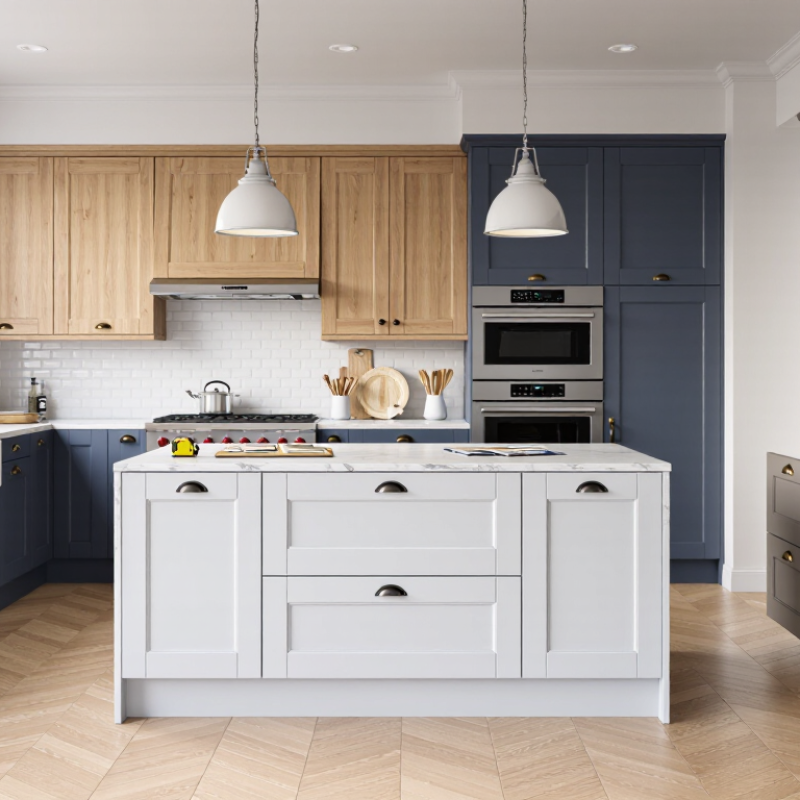
How to Choose the Best Cabinet Styles for Your Home?

Identify Your Home’s Cabinet Style Requirements

Identify your home’s cabinet requirements before choosing a style. Measure wall runs, ceiling height, and appliance clearances; note where doors might hit a refrigerator or block a walkway. Count what you store, too. Deep drawers suit pots, while adjustable shelves handle changing pantry needs. Houzz’s 2024 U.S. Kitchen Trends Study found that 76% of renovating homeowners upgraded their cabinets. That figure shows how central cabinetry is to a kitchen renovation, but it does not mean every home needs a full replacement.

Match the cabinet construction to your room and routine. In a narrow kitchen, simple slab or Shaker fronts can keep sightlines calm; in a larger room, framed doors may add useful visual depth. Check how daylight changes the finish, and bring home samples. Small detail. A warm wood tone can look orange under evening bulbs. The National Kitchen & Bath Association’s 2024 Kitchen Trends Report points to lasting interest in natural materials and practical design, so consider finishes alongside storage and cleaning needs. Be honest about trade-offs: open shelving looks light, but it collects dust. I would reconsider it near a busy stove. A style should fit the house, not just a photograph.

Compare the Main Cabinet Style Categories

Cabinet style affects more than appearance; it changes how a kitchen feels and how easily its surfaces can be cleaned. Traditional raised-panel doors add depth, with molded edges that suit detailed trim and older homes. Those grooves can collect grease, though. Shaker doors have a flat center panel and a simple frame, balancing classic character with a cleaner profile. In the 2024 U.S. Kitchen Trends Study, Houzz reported that 57% of renovating homeowners chose Shaker-style cabinet doors. The figure shows popularity, not a guarantee that the style fits every room.

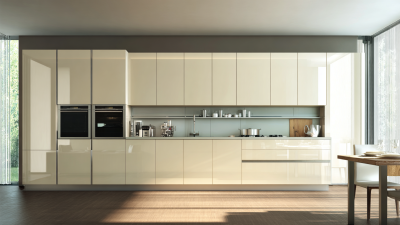
Flat-panel, or slab, doors create a smooth, uninterrupted look often used in contemporary kitchens. Their plain faces are easy to wipe, but fingerprints may stand out on glossy finishes. Inset doors sit flush within the cabinet frame, giving a tailored appearance; they also require careful fitting and can cost more to build. Small detail. Compare samples in your actual lighting, then check how each door handles near a stove, sink, and busy walkway. A white Shaker sample may look crisp in a showroom yet feel stark under cool home lighting. Style labels help narrow choices, but finish, hardware, and room proportions can shift the result. Houzz’s survey reflects U.S. renovation choices, so treat it as one reference rather than a universal rule.

Match Cabinet Styles to Your Home’s Architecture

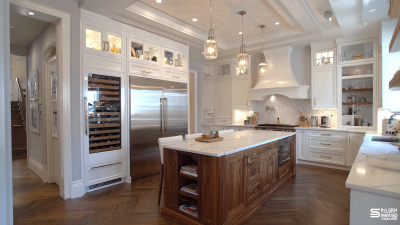
Cabinet styles work best when they feel connected to a home’s architecture, not copied from a trend. In a Craftsman house, framed doors, visible wood grain, and simple hardware can echo the trim and sturdy proportions. Keep the details quiet. A raised-panel cabinet may suit a traditional home, especially beside crown molding or divided-light windows. In a mid-century home, flat-front doors and clean lines often feel more at ease.

Look at the room’s shapes, too. A narrow galley kitchen may feel crowded with ornate doors, even if they suit the house elsewhere. For a farmhouse or cottage, inset or shaker-style doors can complement exposed beams, wide-plank floors, or painted woodwork. In a modern home, slab fronts can keep the space visually calm.

Match undertones carefully: warm oak beside cool gray tile can look unintentionally mismatched. Small samples help. View them in morning and evening light, next to flooring and trim.

I’ve seen a style that looked right on a screen feel too formal once installed. Architecture offers a useful guide, not a strict rule. If your home has been remodeled over time, its rooms may not share one clear style. Choose a cabinet detail that connects the kitchen to nearby spaces, while allowing a little contrast.

Assess Cabinet Materials, Finishes, and Hardware

How to Choose the Best Cabinet Styles for Your Home?

Cabinets shape a room’s look, but daily wear matters just as much. Solid wood can be sanded and refinished, while plywood boxes offer stable support in humid kitchens. Medium-density fiberboard takes painted finishes smoothly, though damaged edges can be harder to repair. Check sample doors in your own lighting; a warm white can look unexpectedly gray beside cool countertops. Houzz’s 2024 U.S. Kitchen Trends Study found that 84% of renovating homeowners upgraded their cabinets, underscoring how central this choice is to a kitchen project.

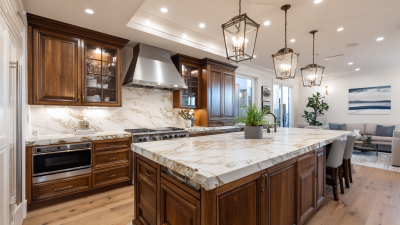
Finishes should suit both the room and your routines. Matte surfaces soften glare, while glossy coatings reflect light but may show fingerprints. For busy family spaces, compare samples for scratch resistance and ask how to clean them. Hardware is small, but you touch it every day. Choose pulls that feel comfortable in your hand, and check that their size fits the door or drawer. A beautiful knob can still feel awkward.

Tips: Bring home finish samples and test them near a window and under evening lights. Open drawers with wet or flour-dusted hands, if practical. It sounds fussy. It isn’t. I would not choose from a tiny showroom swatch alone; real rooms reveal details that samples sometimes hide.

Choose a Style That Fits Your Budget and Maintenance Needs

Cabinet style is a daily-use decision as much as a design choice.

Shaker doors often suit tighter budgets because their simple shape is widely available and easier to repair than ornate profiles. Flat-front cabinets can be quick to wipe, though fingerprints show readily on dark, glossy finishes. That detail matters near a busy stove. Small marks add up.

Compare the full cost, not just the door price. Ask whether hinges, drawer slides, and installation are included, and leave room for handles and touch-up supplies. Painted wood can look warm, but chips may need careful repair; laminate usually wipes clean, yet damaged edges can be harder to disguise. In a humid kitchen, check the cabinet material and finish before choosing. A showroom sample cannot predict every scratch or spill. Bring home a finish sample and test it with a damp cloth and ordinary kitchen light. It may feel overly cautious, but replacing a style that is difficult to maintain costs more than taking an extra day to decide.

S O C I A L 

  • Facebook
  • Instagram
  • Pinterest

©2022 by LaFata Cabinets. Proudly created with Wix.com

bottom of page