How to Choose the Best Solar Garden Light for Your Home?
Choosing the right Solar Garden Light can significantly enhance your outdoor space. With a vast array of options available, understanding their features is crucial. Solar lights not only illuminate your garden but also add charm and safety to your home.
When selecting a Solar Garden Light, consider durability and brightness. A quality solar light should withstand various weather conditions. Look for products with a strong warranty. This can be a sign of reliability. Pay attention to the solar panel efficiency and battery capacity. These factors determine how well the lights perform at night.
Installation is another vital aspect. Some solar lights require minimal setup, while others may need professional guidance. Review customer feedback to gauge the ease of installation. These insights can help you avoid potential pitfalls. Keep in mind that not all solar lights are created equal. Researching your options thoroughly is essential for making an informed decision.
Understanding the Different Types of Solar Garden Lights Available
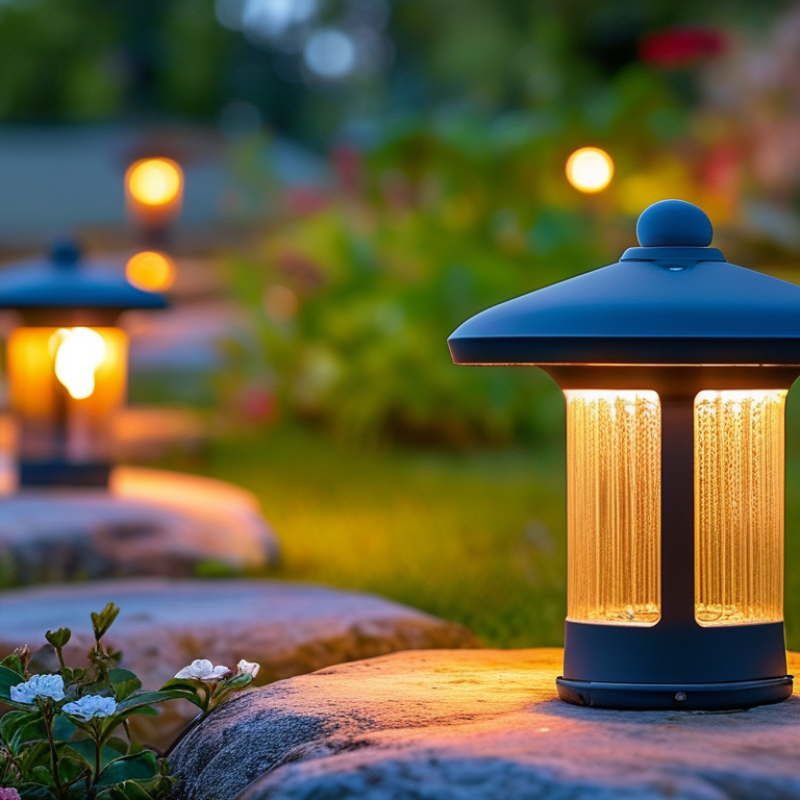
When selecting solar garden lights, it’s essential to understand the various types available in the market. One common type is the pathway light. These lights provide illumination for walkways and garden paths. Typically, they feature a low intensity and can blend well with landscaping. According to a recent industry report, 40% of homeowners prefer this type for safety and aesthetics.
Another popular option is solar spotlights. These lights deliver concentrated beams to highlight features like trees or sculptures. Their adjustable angles allow for customization in illumination. However, they may consume more energy, especially during cloudy days. Research indicates that spotlights can improve nighttime visibility significantly, increasing outdoor usability.
Lastly, decorative solar lights come in various designs. They serve both function and beauty, adding charm to outdoor spaces. Many may not provide as much brightness, but their unique designs can create a wonderful atmosphere. Not every style is ideal for practical lighting needs, revealing a potential mismatch between aesthetics and functionality. Understanding these distinctions can guide homeowners in making the right choice for their gardens.
Comparison of Different Types of Solar Garden Lights
Evaluating the Brightness and Lumens of Solar Garden Lights
When choosing solar garden lights, brightness is a crucial factor. Brightness is measured in lumens. Generally, a range of 100 to 200 lumens is sufficient for pathway lighting. For larger areas, aim for 200 to 400 lumens. A study by the American Lighting Association suggests that higher lumens provide better visibility, enhancing safety in outdoor spaces.
In addition to lumens, consider the color temperature. Lights around 3000K emit a warm glow. This tends to create a cozy atmosphere in gardens. In contrast, cooler temperatures above 5000K can feel harsh and unwelcoming. It's essential to balance warm and cool lights based on your garden's design.
However, it's not just about lumens. Some solar lights may claim high lumens but fail in efficiency. Check for battery capacity and solar panel quality. These elements affect the overall performance of the lights. Injuries can occur if areas are poorly illuminated. Not all products deliver promised brightness; user reviews often reveal discrepancies. This shows the importance of testing multiple options before making a decision.
Considering Solar Panel Efficiency and Battery Capacity
When choosing solar garden lights, the efficiency of the solar panel and the battery capacity are critical. A highly efficient solar panel absorbs more sunlight, leading to better performance. Look for panels with high conversion rates. They can maximize energy capture even on cloudy days. A panel that works well in various weather conditions is a smart choice.
Battery capacity plays a significant role in how long your lights will stay on. A larger capacity allows for extended illumination during nighttime. It ensures your garden remains beautifully lit. Yet, it's important to consider the trade-off between battery size and light weight. A heavy battery might be more durable, but it can be cumbersome to install and maintain.
Observing the balance between solar panel efficiency and battery capacity is essential. Reflect on your garden's size and the desired brightness level. If you have larger spaces, prioritize higher capacity batteries. However, if you prefer smaller, more decorative lights, consider less powerful options. Each choice has its benefits and drawbacks, so weigh them carefully.
How to Choose the Best Solar Garden Light for Your Home? - Considering Solar Panel Efficiency and Battery Capacity
| Model | Solar Panel Efficiency (%) | Battery Capacity (mAh) | Average Runtime (Hours) | Lumens Output |
| Model A | 18% | 2200 mAh | 10 hours | 600 Lumens |
| Model B | 20% | 2600 mAh | 12 hours | 800 Lumens |
| Model C | 15% | 1800 mAh | 8 hours | 500 Lumens |
| Model D | 17% | 2400 mAh | 9 hours | 700 Lumens |
| Model E | 22% | 3000 mAh | 15 hours | 1000 Lumens |
Exploring Design and Aesthetic Considerations for Your Space
When considering solar garden lights, design plays a crucial role. You want lights that complement your garden's aesthetic. Think about the architectural style of your home. Are you leaning toward modern, rustic, or perhaps eclectic designs? Your choices should reflect that. For example, sleek, minimalist lights may suit contemporary settings, while vintage lanterns could enhance a cottage-style garden.
The material of the light fixtures also matters. Metal options can add a touch of elegance, while plastic is lighter and easier to install. Consider finishes that blend with your garden's colors and textures. Warm-toned lights create a cozy atmosphere, while cool-toned options can lend a sophisticated vibe. You might find that certain designs overwhelm the space, rather than enhance it. Think about scale; oversized lights can overpower small gardens.
Placement is just as important. Lights along pathways ensure safety and guide the way. However, be cautious. Over-lighting can wash out your garden's beauty. Shadows and highlights can both add depth. Experimenting with different layouts can lead to unexpected improvements. Pay attention to how the garden changes throughout the day. What looks good at night may not work during daylight. Each decision should contribute to the overall experience you want to create.
Analyzing Durability and Weather Resistance Features in Garden Lights
When selecting solar garden lights, durability and weather resistance are crucial features. Many garden lights face harsh conditions, including extreme temperatures, rain, and wind. A study from the Solar Energy Industries Association (SEIA) indicates that robust materials significantly enhance longevity, reducing the frequency of replacements. Look for products made from high-quality plastics or metal. These materials are usually rated for various weather conditions.
Waterproof ratings, like IP65 or higher, offer reliable protection against moisture. This means the lights can withstand rain and even water jets. Solar lights with tempered glass or polycarbonate lenses can resist impact and prevent damage from hail or falling debris. According to a report by Grand View Research, the demand for weather-resistant outdoor lighting is increasing. Homeowners prioritize lights that can endure the elements while maintaining performance.
Even with claims of durability, not all solar lights perform as expected. Some may fail in extreme weather, leading to customer frustration. Consider user reviews and perform regular maintenance when necessary. Proper placement can also enhance durability, especially in windy areas. Investing in quality solar garden lights can lead to long-term satisfaction, but it's important to research and consider various factors.