2026 Top Fabric Wall Panel Trends Buyers Need to Know?
As the design landscape evolves, "Fabric Wall Panels" are emerging as a vibrant trend in interior spaces. According to a recent industry study by Market Research Future, the global market for decorative wall panels is expected to grow significantly, reaching over $50 billion by 2025. Such growth reflects the increasing demand for sustainable and aesthetically pleasing solutions. Fabric Wall Panels are not just about decoration; they offer sound absorption and insulation, enhancing comfort in various environments.
In 2026, buyers will need to be aware of the key trends shaping this sector. Textiles used in these panels are advancing, with innovations in material technology. Brands are focusing on eco-friendly fabrics, which cater to environmentally conscious consumers. However, the quality of these materials can vary, leaving room for potential disappointments. Choosing the right fabric is essential for longevity and satisfaction.
Furthermore, customizability is becoming a priority for buyers. Consumers seek unique designs that reflect personal style. While this presents an opportunity for creativity, it also requires careful consideration of functionality and durability. Awareness of these factors will empower buyers to make informed choices in a fast-evolving market.
Key Design Trends in Fabric Wall Panels for 2026
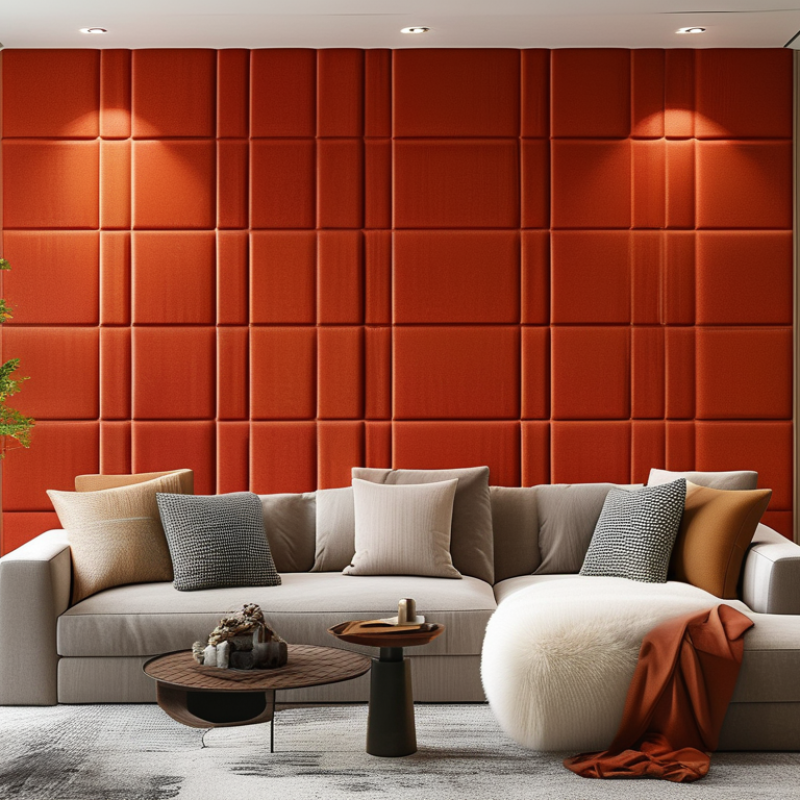
In 2026, fabric wall panels will reflect innovative design trends reshaping interiors. A notable trend is the revival of tactile surfaces. Textured fabrics like bouclé and velvet will dominate, inviting touch and enhancing comfort. These materials create a cozy atmosphere, ideal for residential and commercial spaces. Color palettes will shift towards earthy tones and deep hues, promoting a sense of warmth and grounding.
Another trend is the use of sustainable fabrics. Eco-friendly options such as organic cotton and recycled textiles are gaining traction. This reflects a growing awareness of environmental impact. Designers are also exploring modular panel systems. This allows for customizable installations to fit any space. These systems promote adaptability, catering to changing design needs.
While these trends are promising, challenges remain. Sourcing sustainable materials can be difficult. Some fabrics may lack durability, requiring careful selection. Moreover, aesthetics must not compromise functionality. It’s essential to strike a balance between visual appeal and practical use. The journey to 2026 may reveal both triumphs and areas for growth in fabric wall panel design.
Eco-Friendly Materials Shaping the Fabric Panel Market
Eco-friendly materials are transforming the fabric panel market in 2026. Sustainability is now a key focus for buyers. Designers increasingly opt for organic fabrics, recycled materials, and low-impact dyes. These choices not only reduce the carbon footprint but also enhance the aesthetic value of spaces.
When selecting fabric wall panels, consider sustainable sourcing. Recycled polyester, for instance, is gaining popularity. It offers durability while minimizing waste. Hemp and organic cotton are also viable options. They are not only eco-friendly but also provide a unique texture and look.
Tips: Look for certifications that guarantee eco-friendliness. Check for labels that indicate recycled content. Ask suppliers about their sourcing methods. Understanding the material’s journey can inform better choices. Remember, transparency in the supply chain is crucial. It helps you make responsible decisions. As styles evolve, reflect on how your choices impact the environment. Be mindful of your selections to create a greener future.
Innovative Techniques for Fabric Wall Panel Installation
As fabric wall panels gain popularity, innovative installation techniques are emerging. One technique that stands out is the use of specialized adhesives. This method allows for easy application, saving time while ensuring durability. Using the right adhesive can avoid bubbles and misalignment. It's crucial to pay close attention to the panel's material and texture when selecting an adhesive type.
Another noteworthy approach is the incorporation of modular systems. These systems allow for quicker installation and flexibility in design. They provide an efficient way to create customized looks. However, there can be a learning curve when working with these modular panels. Proper alignment and spacing are essential for a polished finish. It's important to practice precision in measurements to avoid unevenness.
Finally, integrating acoustic materials can enhance function and aesthetics. These panels not only beautify a space but also improve sound quality. When installing, ensure that the acoustic fabric is aligned correctly. Misalignments can disrupt sound absorption. The overall look may suffer if not installed with care. Each of these techniques reflects growing trends in design and innovation, emphasizing the importance of meticulous execution.
2026 Top Fabric Wall Panel Trends
Popular Patterns and Colors for Fabric Wall Panels in 2026
As we look toward 2026, fabric wall panel trends are making waves in interior design. A rich tapestry of colors and patterns will dominate spaces. Neutral tones like taupe and beige will offer timeless elegance. Meanwhile, bold colors like deep teal and mustard yellow will inject personality into rooms. These vibrant hues foster creativity in both workspaces and homes.
In terms of patterns, geometric designs are resurging. Stripes, hexagons, and organic shapes will draw attention and add visual interest. Textured fabrics, such as boucle and velvet, will bring depth, appealing to those who value tactile experiences. However, it's essential to balance these elements; overdoing patterns can overwhelm a space. Finding harmony in design remains key.
Sustainability is another crucial consideration. Many buyers seek eco-friendly materials that reduce environmental impact. This shift encourages innovation in fabric production. Yet, navigating these trends can be challenging. Buyers must weigh aesthetics against durability and functionality. Each choice reflects personal style and environmental responsibility. The future of fabric wall panels is exciting but also complex.
Influence of Technology on Fabric Wall Panel Designs
The influence of technology on fabric wall panel designs is significant and growing. In 2023, a report by the Textile Research Journal indicated that technology-driven customization options have increased by 40%. Buyers now expect a high degree of personalization. Digital printing allows for intricate designs that were previously unattainable. This capability not only enhances aesthetics but also broadens the scope for creative expression.
Moreover, advancements in materials technology are changing performance standards. Acoustic properties of fabric panels are now improved using smart fabrics. These materials can absorb sound frequencies more effectively, which is crucial for modern workspaces. According to the Acoustical Society of America, spaces designed with fabric panels have seen a 30% improvement in sound quality. However, these innovations come with challenges. Adoption of new technologies can be slow, as organizations weigh the benefits against costs.
Sustainability is another area where technology plays a role. Data from the Sustainable Furnishings Council shows a growing demand for eco-friendly materials. Fabrics made from recycled sources appeal to environmentally conscious consumers. Although the initial cost may be higher, the long-term benefits are substantial. Understanding and adapting to these changes is essential for buyers in this evolving market.